
Types of Bird Feeders and Which Birds They Attract
Updated: Sep 11
Written by Carrissa, founder of Chirp Nook, a birdwatching educator and nature content creator.
Shopping for bird feeders can feel overwhelming, especially if you are just getting started. Tube feeders, hopper feeders, suet cages, platforms, each one promises more birds, but not all feeders attract the same species.
The truth is that bird feeders are designed around how birds naturally eat. Choosing the right feeder type does more than fill your yard with birds, it helps reduce waste, limits competition, and can even help keep squirrels from taking over.

Below is a complete guide to the most common types of bird feeders, which birds they attract, and which options work best if squirrels are part of your backyard ecosystem.
Table of Contents: 1. Tube Feeders 2. Hopper Feeders 3. Platform Feeders 4. Suet Feeders 5. Nyjer Feeders 6. Nectar Feeders 7. Stacker Feeders 8. Squirrel-Resistant Feeders |

Tube Feeders
Tube feeders are one of the most popular bird feeders, and for good reason. Their narrow design and small feeding ports are ideal for smaller songbirds and naturally limit access to larger birds and animals.
Birds Attracted to Tube Feeders
Finches (American Goldfinch, House, Purple)
Chickadees (Black-capped, Carolina)
Nuthatches (White-breasted, Red-breasted)
Tufted Titmouse
Indigo Bunting
Best Seed for Tube Feeders
My Favorite Tube Feeders:
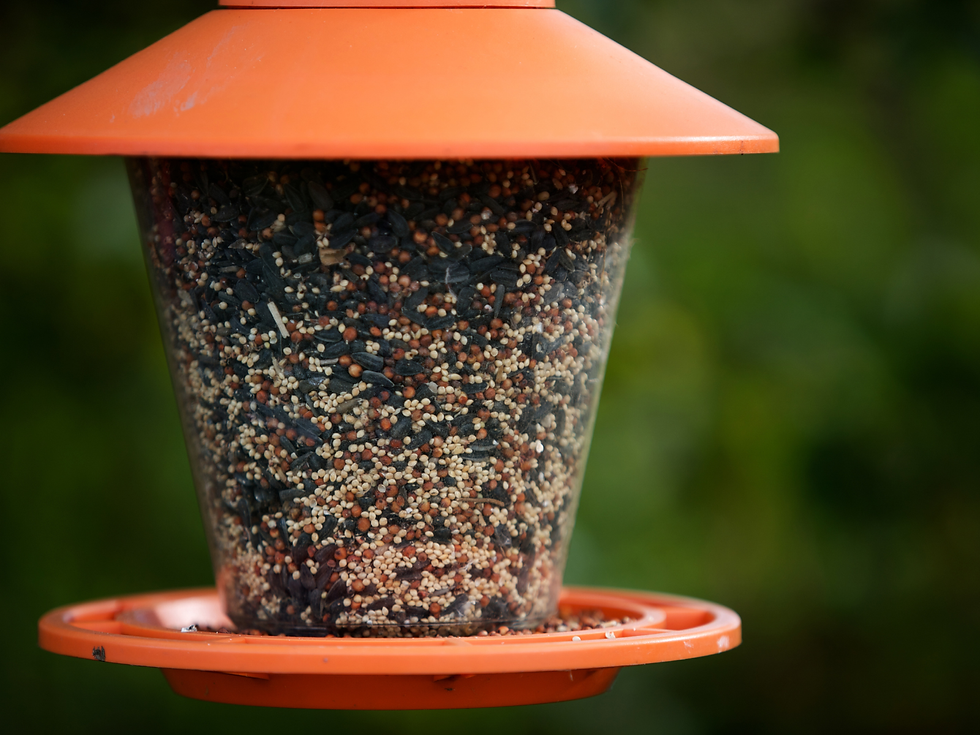
Hopper Feeders
Hopper feeders are the classic house shaped feeders many people picture when they think of backyard birding. They hold a large amount of seed and attract a wide variety of birds.
Birds Attracted to Hopper Feeders
Northern Cardinal
Blue Jay
Finches (American Goldfinch, House Finch, Purple Finch)
Chickadees (Black-capped, Carolina)
Nuthatches (White-breasted, Red-breasted)
Tufted Titmouse
Sparrows (Song, White-throated, White-crowned)
Dark-eyed Junco
Mourning Dove
Best Seed for Hopper Feeders
My Favorite Hopper Feeders
Hopper feeders are excellent if you want steady activity throughout the day and enjoy watching multiple species feed together.

Platform Feeders
Platform feeders are flat trays that allow birds to feed naturally. They are especially appealing to ground feeding birds that may not visit hanging feeders.
Birds Attracted to Platform Feeders
Northern Cardinal
Blue Jay
Mourning Dove
Dark-eyed Junco
Sparrows (Song, White-throated, White-crowned, House)
American Robin
Red-winged Blackbird
Common Grackle
European Starling
Best Seed for platform feeders
My Favorite Platform Feeders

Suet Feeders
Suet feeders hold high energy suet cakes made from fats, seeds, and insects. They are especially important during colder months and nesting season.
Birds Attracted to Suet Feeders
Woodpeckers (Downy, Hairy, Red-bellied, Pileated)
Northern Flicker
Nuthatches (White-breasted, Red-breasted)
Chickadees (Black-capped, Carolina)
Tufted Titmouse
Carolina Wren
Best Suet Cakes
My Favorite Suet Feeders
In warmer months, always use no melt suet to prevent spoilage. If you want to attract woodpeckers, suet feeders are one of the most effective tools you can offer.

Nyjer Feeders
Nyjer feeders are designed for very small seeds and finch species. They feature tiny feeding ports that prevent larger birds from feeding.
Birds Attracted to Nyjer Deeders
American Goldfinch
Pine Siskins
Best Seed for Nyjer Feeders
My Favorite Nyjer Feeders

Nectar Feeders
Nectar feeders are specifically designed for hummingbirds and feature bright colors that help attract them.
Birds Attracted to Nectar Feeders
Hummingbirds (Ruby-throated, Rufous, Anna’s, Black-chinned)
Baltimore Orioles
Best Nectar Recipe
Homemade nectar made from plain white sugar and water (4 cups water : 1 cup sugar)
My Favorite Hummingbird Feeders
Avoid red dye or artificial coloring. Clean nectar feeders frequently to keep hummingbirds healthy and returning all season long.

Stacker Feeders
Stacker feeders are designed specifically for seed cakes or seed cylinders, not loose seed. These feeders allow multiple seed cakes or cylinders to be stacked vertically on a central rod or post, creating a dense, long lasting food source.
Because the food is compact and tightly bound, stacker feeders attract birds that cling, peck, and feed from all angles, rather than birds that scoop seed from trays.
Birds Attracted to Stacker Feeders
Woodpeckers (Downy, Hairy, Red-bellied, Pileated)
Northern Flicker
Nuthatches (White-breasted, Red-breasted)
Chickadees (Black-capped, Carolina)
Tufted Titmouse
You may also see occasional visits from cardinals or finches, especially if the seed cakes contain sunflower or peanut pieces.
Best Seed Stackers
My Favorite Stacker Feeders
Stacker feeders are ideal for offering variety. Many birders stack different flavors or blends to attract a wider range of species.

Squirrel-Resistant Bird Feeders
If squirrels visit your yard regularly, feeder choice matters. While no feeder is completely squirrel-proof, some designs are far more effective than others.
Feeders That Deter Squirrels
Tube feeders with metal ports
Caged feeders that allow only small birds through
Weight activated feeders that close when heavier animals climb on
These feeders protect your seed supply and reduce frustration without harming wildlife.
My Favorite Squirrel-resistant Feeders
Pairing these feeders with pole baffles and smart placement makes a huge difference. If squirrels are a constant issue, check out this article: How to Keep Squirrels Out of Your Bird Feeders
Best Squirrel-resistant Seed

Why Using Multiple Feeder Types Matters
One of the most important bird feeding tips is simple: variety brings variety.
Different birds prefer different feeder styles, food types, and feeding heights. Offering multiple feeder types spreads birds out, reduces competition, and increases the number of species you will see.
A beginner friendly setup might include:
Hopper feeder for larger songbirds
Tube feeder for smaller birds
Suet feeder for woodpeckers
You can always expand based on which birds visit most often.
Final Thoughts
The best bird feeder is not the most expensive one. It is the feeder that matches the birds you want to attract and works with your backyard setup.
By choosing the right feeder types, using quality seed, and placing feeders thoughtfully, you create a space birds trust and return to every day!
Affiliate Disclaimer: This article includes affiliate links. If you click through and make a purchase, I may earn a small commission, which helps support Chirp Nook and keeps this content free. Thank you for supporting my work.


Comments